The biggest derbies in world football
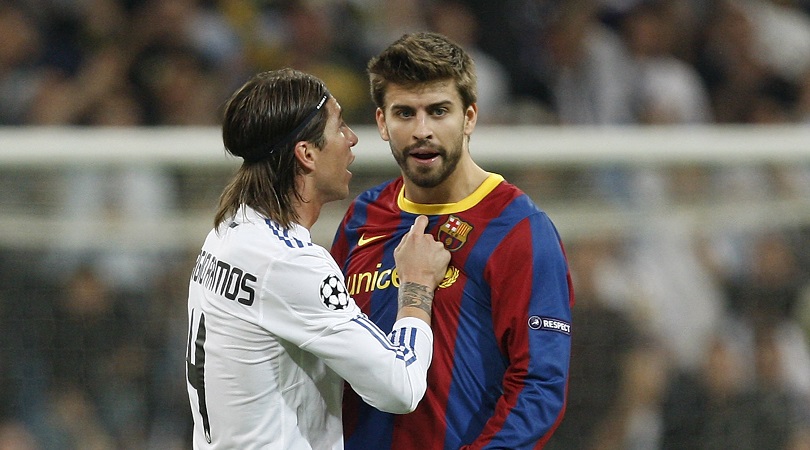
Football might only be a game, but at the same time… it’s war.
We have picked out the biggest derbies from around the world, selecting the special fixtures that arouse passion, intensity and no shortage of-ill feeling. From Buenos Aires to the Basque Country, these are the fiercest rivalries in the sport.
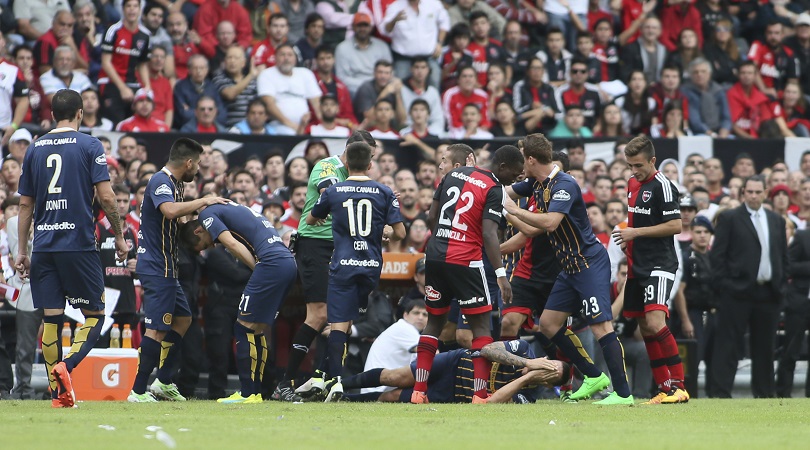
32. Newell’s Old Boys vs Rosario Central
It might not be the biggest rivalry in Argentina, but there’s no love lost between Newell’s Old Boys and Rosario Central.
The enmity allegedly dates back to an episode where Rosario turned down an offer from Newell’s to play a friendly for a leprosy charity, earning themselves the nicknamelos Canallas- the ‘Scoundrels’.
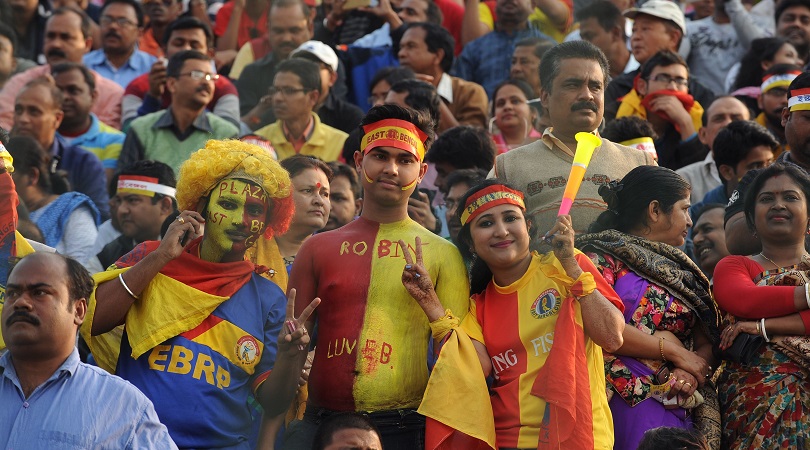
31. East Bengal vs Mohun Bagan
Cricket-mad India is not exactly a footballing hotbed, with the notable exception of Kolkata in the east. A game between East Bengal and Mohun Bagan in 1997 drew a crowd of 131,781, making it the country’s best-attended sporting event of all time.
The two clubs were once one, but East Bengal split from Mohun Bagan in 1920.
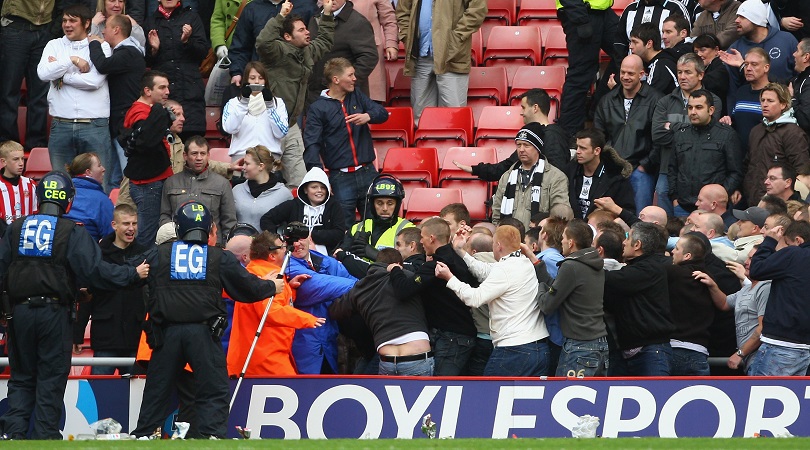
30. Newcastle United vs Sunderland
In the 1600sNewcastleandSunderlandwere on opposing sides of the English Civil War, the former supporting Charles I and the latter throwing its weight behind Oliver Cromwell. They have agreed on little else since.
The head-to-head record is remarkably even, with both clubs having enjoyed memorable derby-day victories over the arch-enemy from 12 miles away.
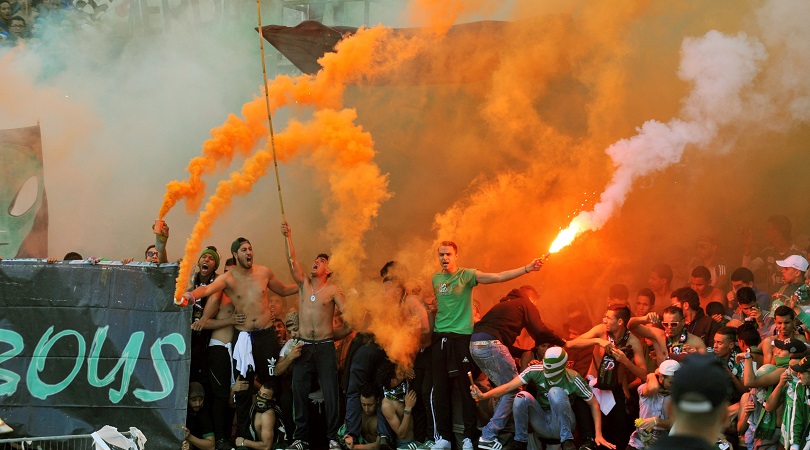
29. Raja Casablanca vs Wydad Casablanca
If you are from Casablanca, you are either Raja or Wydad. Morocco’s largest city has hosted this ferocious derby since the mid-1950s.
Even the monarchy isn’t able to escape the feud. King Mohammed V was a Wydad fan until his death in 1961, prompting cries of favouritism from the leftist Raja faithful.
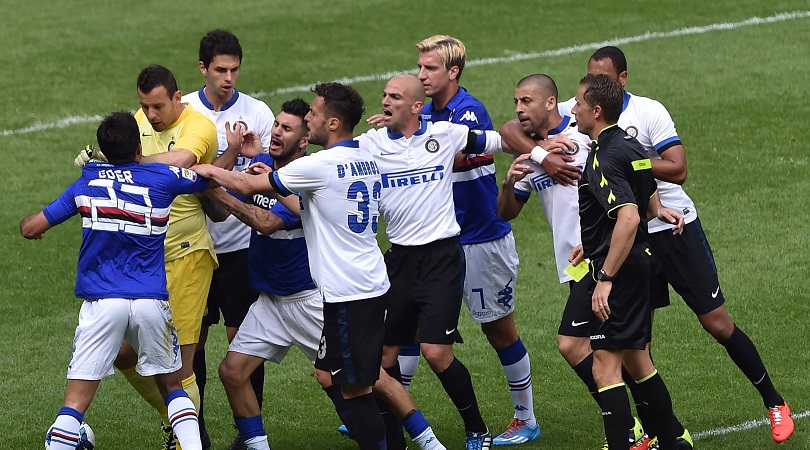
28. Genoa vs Sampdoria
TheDerby della Lanternaisn’t Italy’s best-known rivalry, but it’s arguably its most interesting.Genoaare the oldest club in the working-class city of the same name, while the 1946-foundedSampdoriaare the flashy upstarts from the suburbs.
This fixture routinely produces some of the best fan choreographies you will see anywhere in the world.
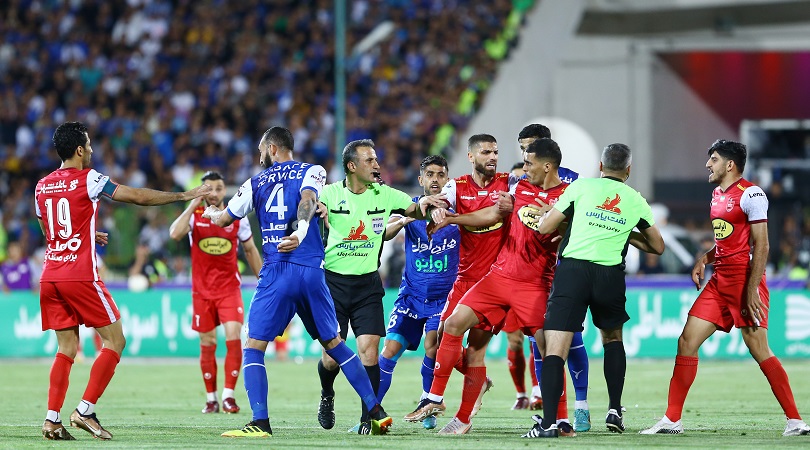
27. Persepolis vs Esteghlal
Iran’s two most successful clubs share a stadium but not much else. Persepolis are still known as Tehran’s working-class team, whereas Esteghlal have traditionally drawn their support from the middle classes.
A red-hot atmosphere is guaranteed when these two clubs duke it out, with the Azadi Stadium often full hours before kick-off.
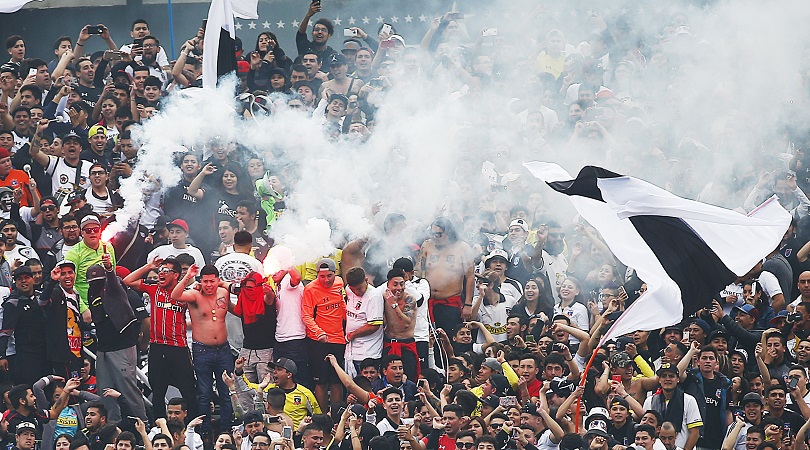
26. Colo-Colo vs Universidad de Chile
It’s always a special occasion whenever Colo-Colo renew hostilities with Universidad de Chile. The two biggest and most successful clubs in the Chilean game compete not only for bragging rights in Santiago but also for national titles.
The first ever meeting was in 1935, which means the centenary of this momentous fixture is approaching.
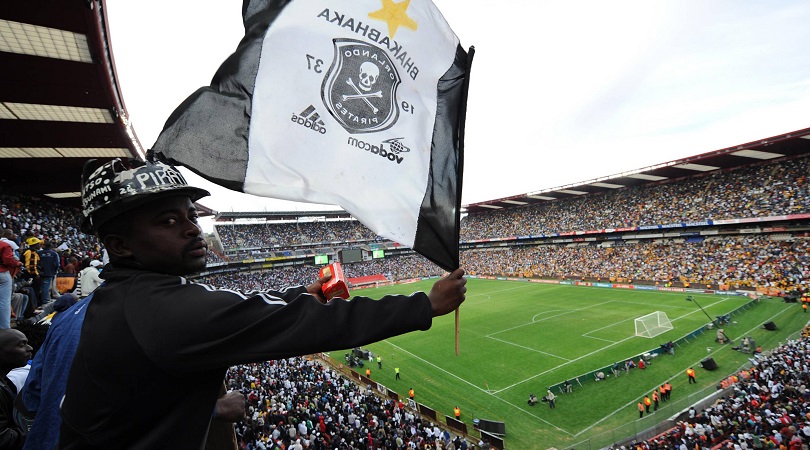
25. Kaizer Chiefs vs Orlando Pirates
The South African national team has long punched below its weight in continental competition given the country’s economic power and passion for football.
The best of the South African club game can be found when Kaizer Chiefs take on Orlando Pirates in the Soweto derby, one of the biggest rivalries outside Europe and South America.
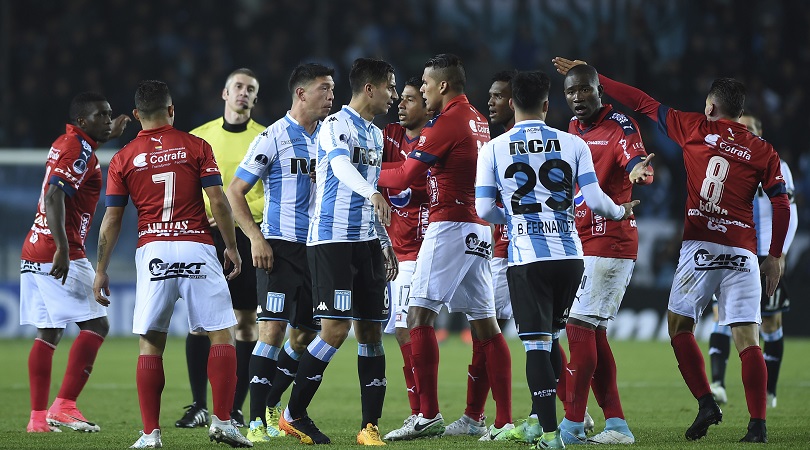
24. Independiente vs Racing Club
The stadiums of Independiente and Racing Club are just 300 metres apart in Avellaneda, just outside the city of Buenos Aires. Two members of Argentina’s ‘big five’, these two sides enjoy nothing more than beating the mortal enemy.
Independiente and Racing have butted heads more than 200 times since the Avellaneda derby was born in 1907.
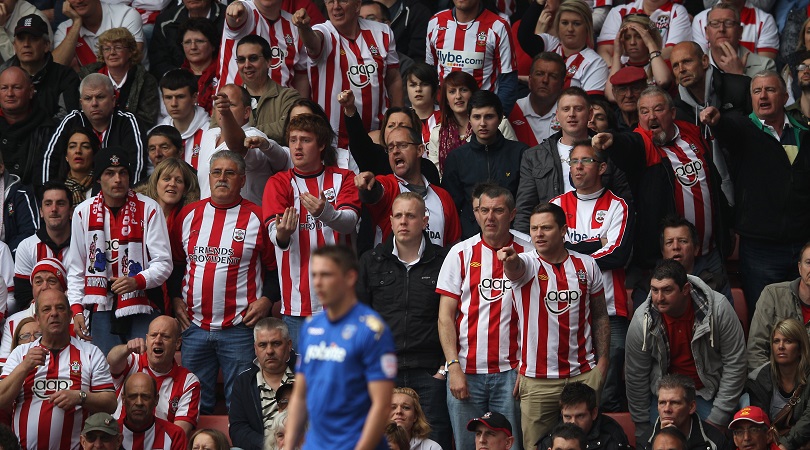
23. Southampton vs Portsmouth
The rivalry between these two port cities began when Portsmouth became associated with the Royal Navy and Southampton generated links with the merchant navy. In south coast parlance, it’s the Scummers (Southampton) versus the Skates (Portsmouth).
They do not play each other every season, but the mutual antagonism is deep-seated.
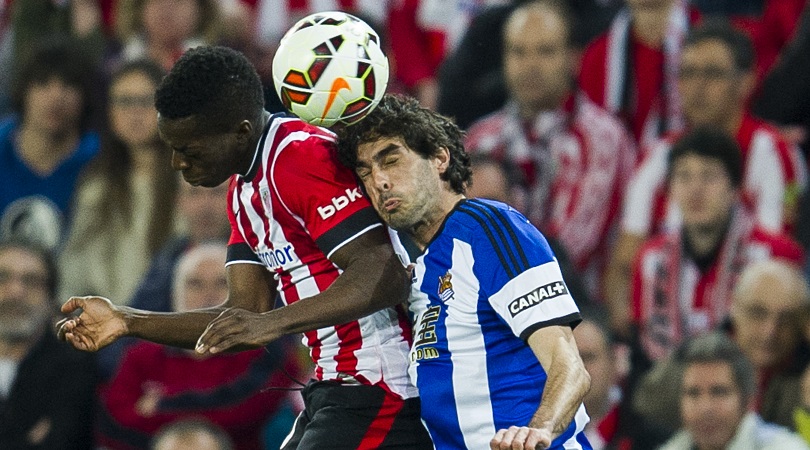
22. Real Sociedad vs Athletic Bilbao
As rivalries go, this one is on the friendly side. It’s common to see supporters ofReal SociedadandAthletic Bilbaomingling together before, after and sometimes even during derby games.
But the rich history of this battle for supremacy in the Basque Country makes it worthy of inclusion: the two teams first met way back in 1909.
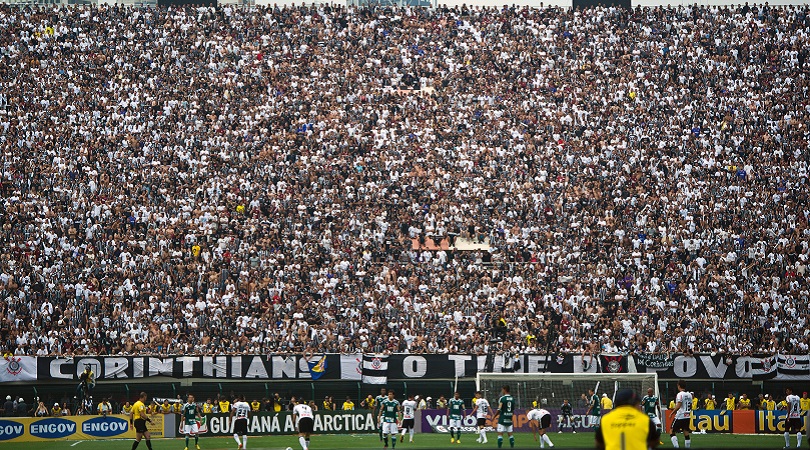
21. Corinthians vs Palmeiras
Brasilia is the political centre and Rio de Janeiro is the most well-known of the country’s many cities, but Sao Paulo is the economic capital of Brazil – and the most populous city outside Asia.
The Paulista derby is contested by Corinthians, with its working-class roots, and Palmeiras, a club founded by Sao Paulo’s Italian community.
20. Chivas vs Club America
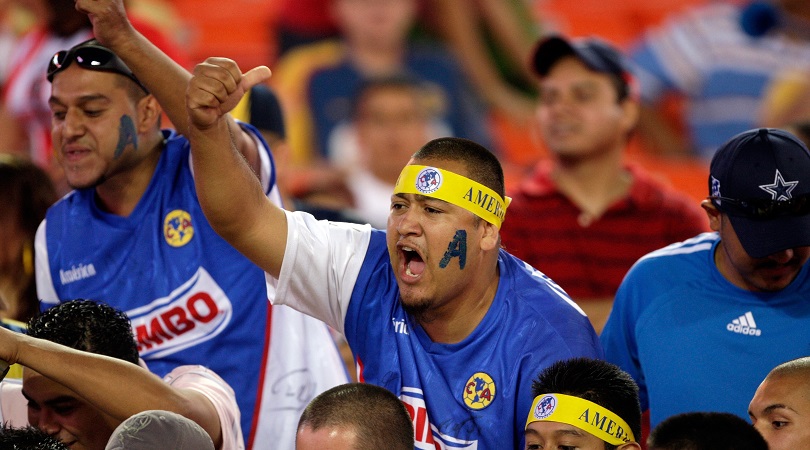
Chivas, or Club Deportivo Guadalajara to use the official name, and America are the most popular Mexican teams. Even fans who support other teams often have a preference for one or the other.
America are seen as the establishment club with an acceptance of foreign players. Meanwhile Chivas only field Mexican players and draw more followers from the working class.
19. Real Betis vs Sevilla
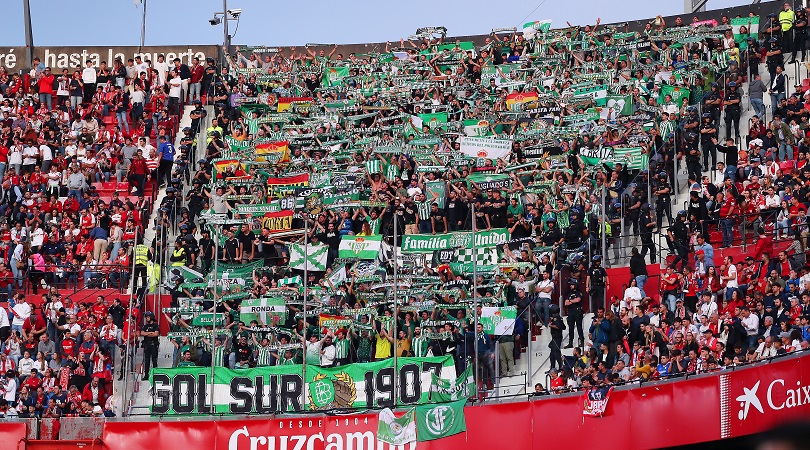
Real Betisare considered the working-class club of the Spanish city of Seville, withSevillahaving traditionally drawn their support from the more well-to-do members of society.
Today, however, it’s common for families to be split between green-and-white and red-and-white. Seville is a football-mad place, so derby day is always special.
18. Partizan Belgrade vs Red Star Belgrade
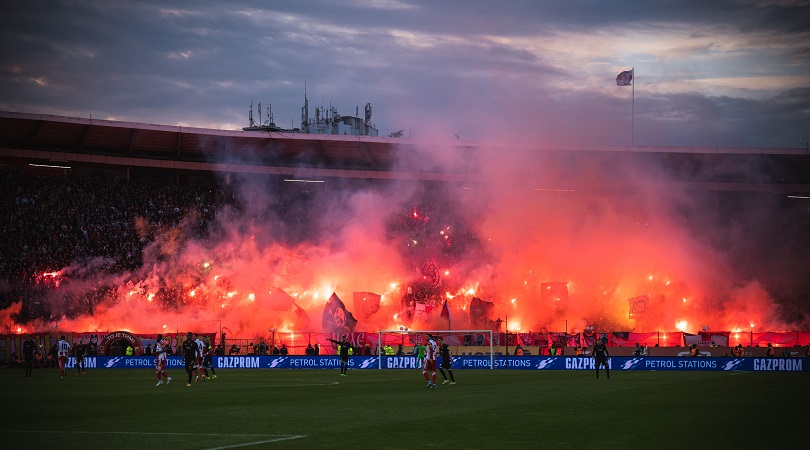
Expect fireworks when Red Star face Partizan – and that’s just in the stands. For a long time this game was a proxy for a political tussle between the interior ministry (Red Star) and the Yugoslav army (Partizan).
It remains one of the most political rivalries in the world, with far more than three points up for grabs on derby day.
17. Nacional vs Penarol
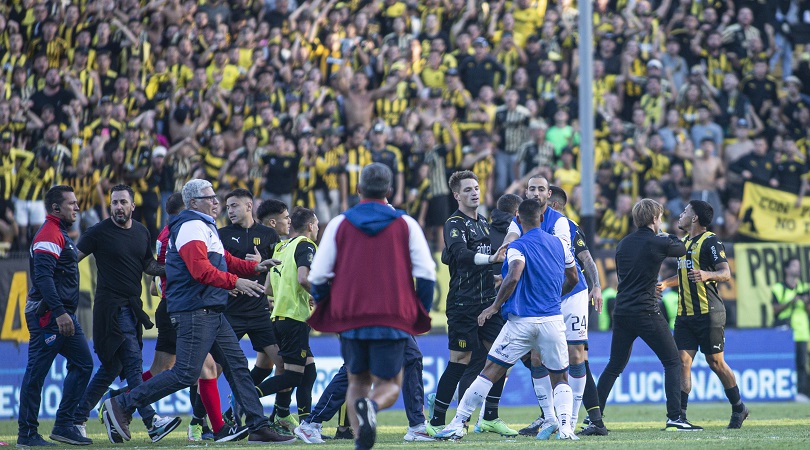
Montevideo rivals Nacional and Penarol first faced off in 1900, making this one of the oldest derbies outside Britain.
In the early years Penarol’s team was mostly made up of immigrants from England, prompting the creation of Nacional – as the name suggests, a club exclusively for Uruguayans. They are comfortably the most successful sides in the country.
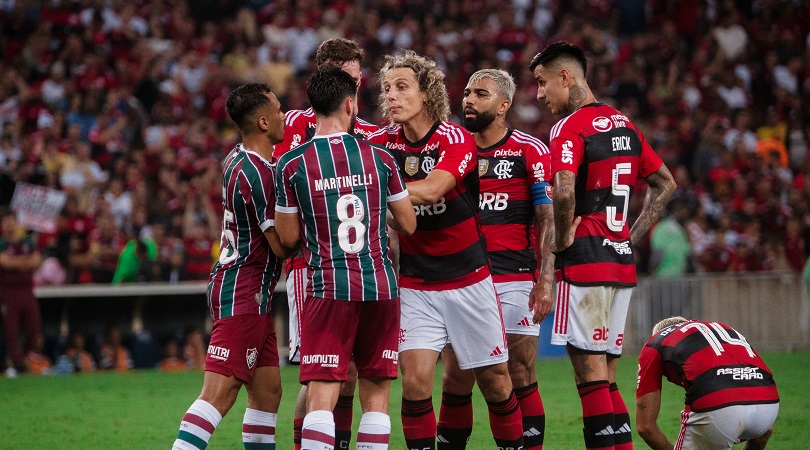
16. Flamengo vs Fluminense
In 1963, an astonishing 194,603 fans packed into the Maracana in Rio de Janeiro to watch Flamengo and Fluminense do battle. It remains the world-record attendance for a domestic match.
In 1911, Flamengo were founded by 10 disgruntled Fluminense players who left the club after a row with the board. The rest is history.
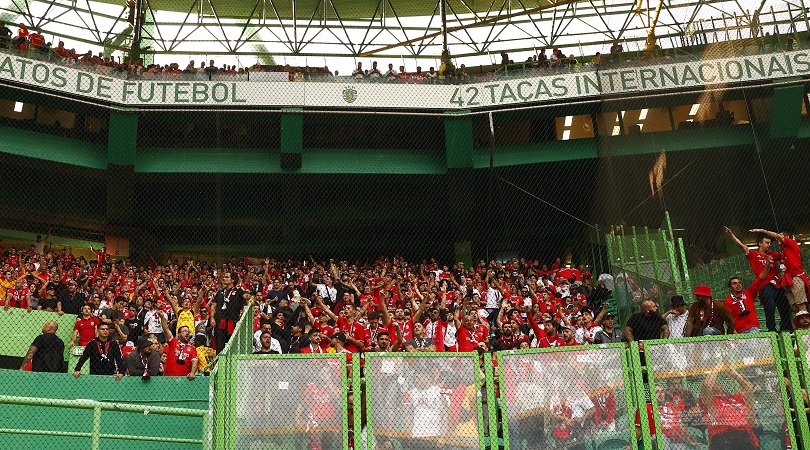
15. Benfica vs Sporting CP
Portoare worthy on-field rivals for these two Lisbon-based outfits, but in the stands it is impossible to trump the ill-feeling between fans ofBenficaandSporting CP.
The touch paper was lit from day one: in the build-up to the first derby in 1907, eight Benfica players walked out on the club to sign for Sporting.
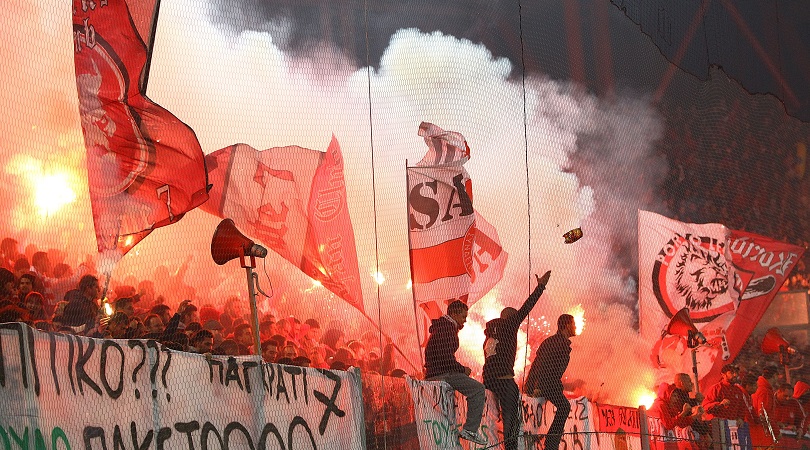
14. Olympiacos vs Panathinaikos
In Greece this fixture is known as the ‘derby of the eternal enemies’. Need we say more?
Representing central Athens,Panathinaikoswere founded in 1908 as the team of the elite.Olympiacos, with their roots in the nearby port city of Piraeus, have long argued that they are the people’s club in the Greek capital.
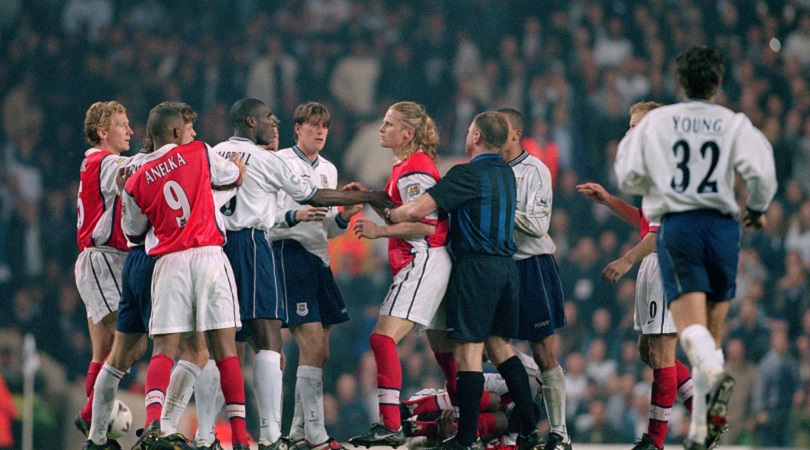
13. Arsenal vs Tottenham Hotspur
The sheer strength of feeling involved in certain derbies often diminishes the on-field product, leading to cautious and nervy football. Conversely, the north London derby is usually hugely entertaining.
Arsenal’s move from south of the Thames to Highbury in 1913 gave birth to one of English football’s foremost grudge matches.
12. Ajax vs Feyenoord
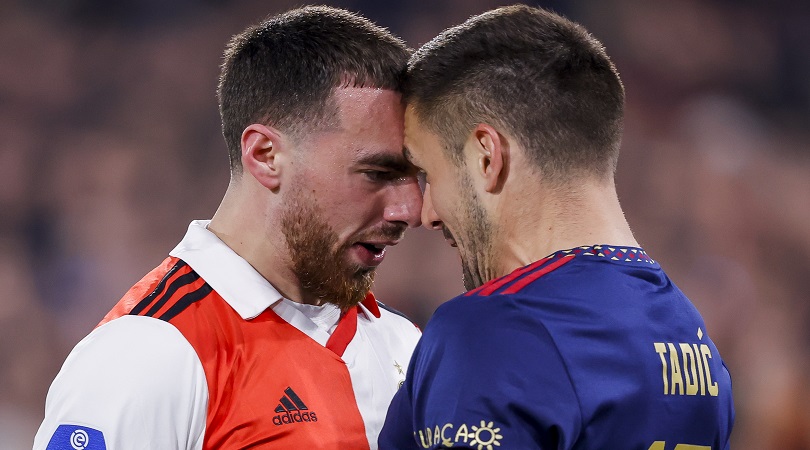
Amsterdam and Rotterdam are both cities in the Netherlands but that’s where the similarities end. So whileAjaxepitomise style and artistry,Feyenoordtend to value results above all else.
Ajax are the more successful, but Feyenoord always relish giving their rivals a bloody nose. Make no mistake,De Klassiekeris one of the most significant rivalries in Europe.
11. Gremio vs Internacional
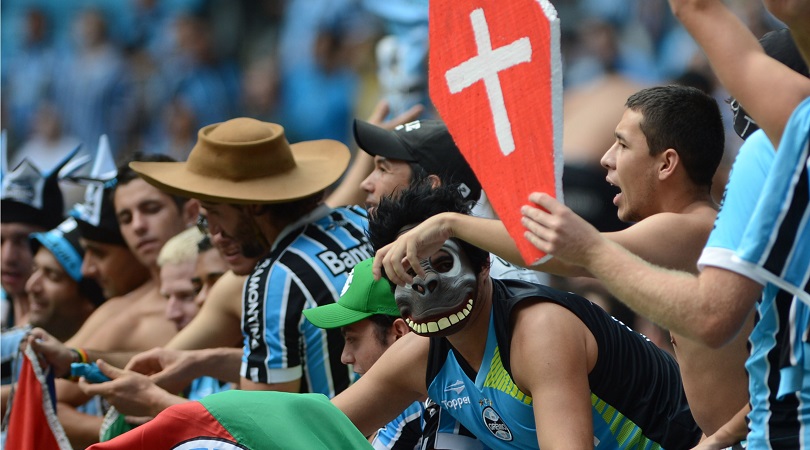
The city of Porto Alegre in the southern state of Rio Grande do Sul hosts two of Brazil’s biggest clubs, Gremio and Internacional. Before anything else, these sides aspire to regional supremacy.
Gremio were founded by German immigrants in 1903, while Inter were set up by the offspring of Italian immigrants six years later.
10. AC Milan vs Inter
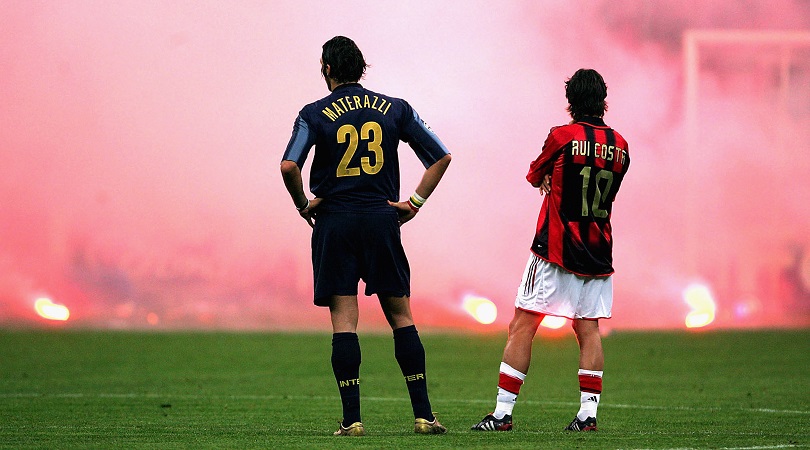
Interfans often say they would rather beatJuventusthanAC Milan, but violence is relatively rare when the San Siro co-tenants lock horns.
This is undoubtedly one of club football’s greatest fixtures. The choreography in the stands is a sight to behold and the atmosphere is never less than electric.
9. Marseille vs Paris Saint-Germain
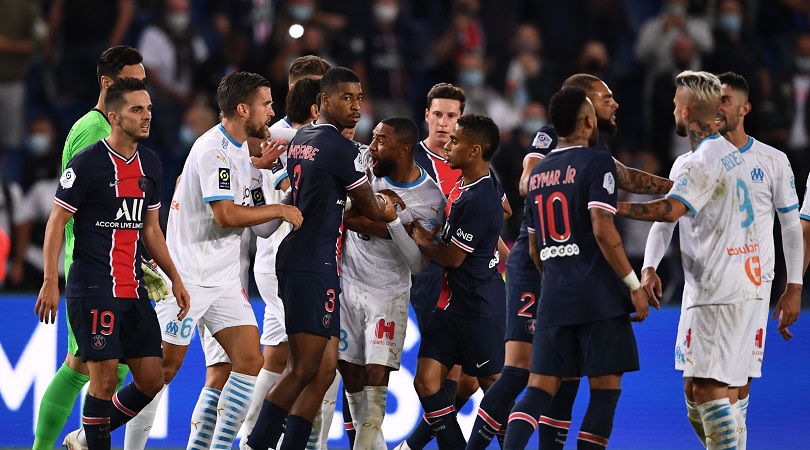
Marseille and Paris are two very different cities: a gritty, working-class port city versus the rich, bourgeois hub of political power.
A relatively new rivalry owing toPSG’s founding in 1970,Le Classiqueincreased in ferocity from the mid-1980s onwards. The Parisians are more successful these days, butMarseillefans frequently remind them that they were France’s first European champions.
8. Al Ahly vs Zamalek
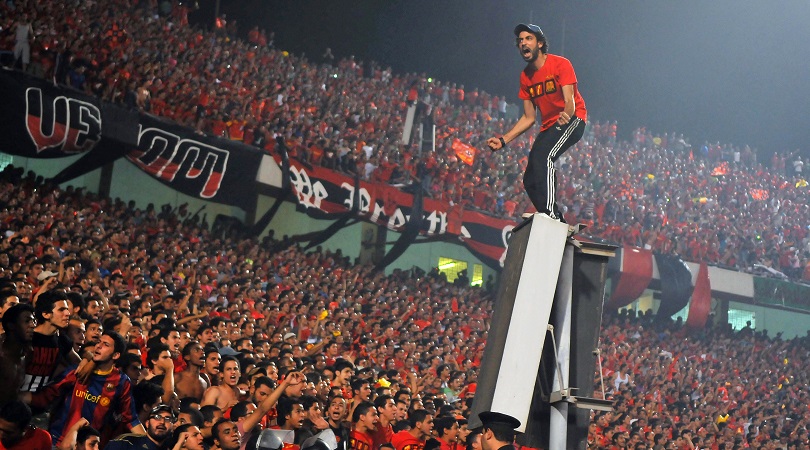
One of the most chaotic cities on the planet, Cairo, comes to a standstill whenever Al Ahly take on Zamalek.
A fanatical fixture, these two clubs were traditionally divided by politics: the republic-supporting nationalists of Al Ahly against the pro-royalist Zamalek. The atmosphere at the Cairo International Stadium on derby day is feverish.
7. Roma vs Lazio
RomaandLaziohave only won a handful of Serie A titles. The clubs from the capital have long had to watch on as Turin and Milan dominate.
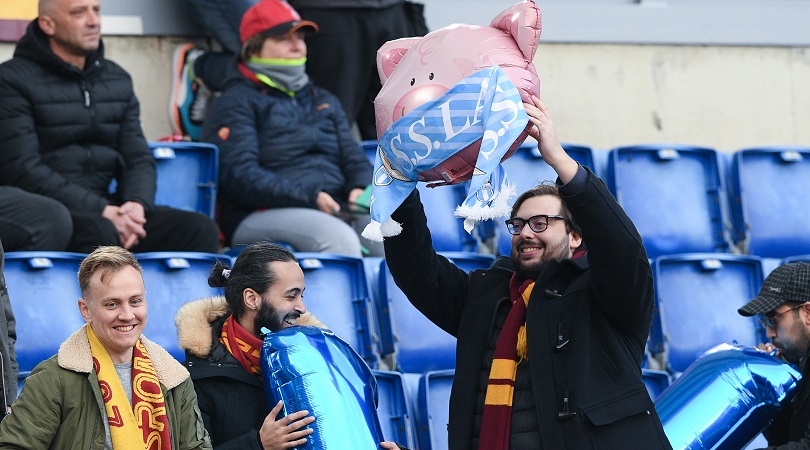
That only adds to the animosity between them. On derby day, Roma fans congregate on the Curva Sud and Lazio fans take over the Curva Nord. The result is always something spectacular.
6. Manchester United vs Liverpool
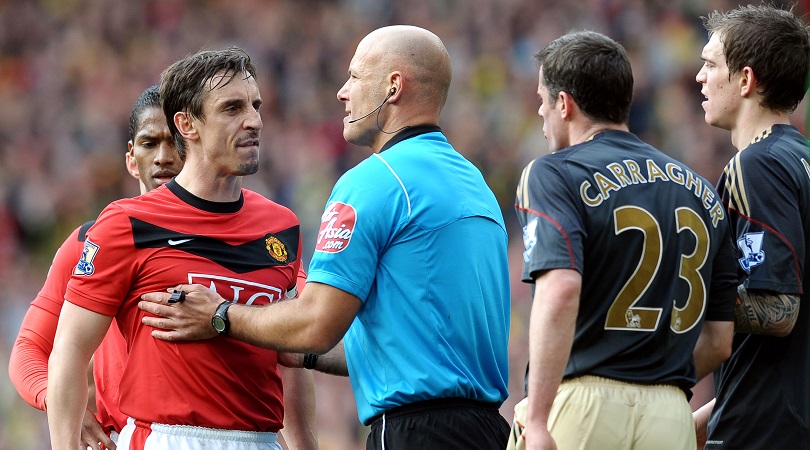
WhenManchester Unitedwon their 19th league title in 2011 to become the most successful side in English football history, they fulfilled Alex Ferguson’s vow to knockLiverpool“off their perch”.
Manchester and Liverpool are long-term rivals economically, culturally and musically. But the intercity conflict is at its most fervent on the football field.
5. Borussia Dortmund vs Schalke
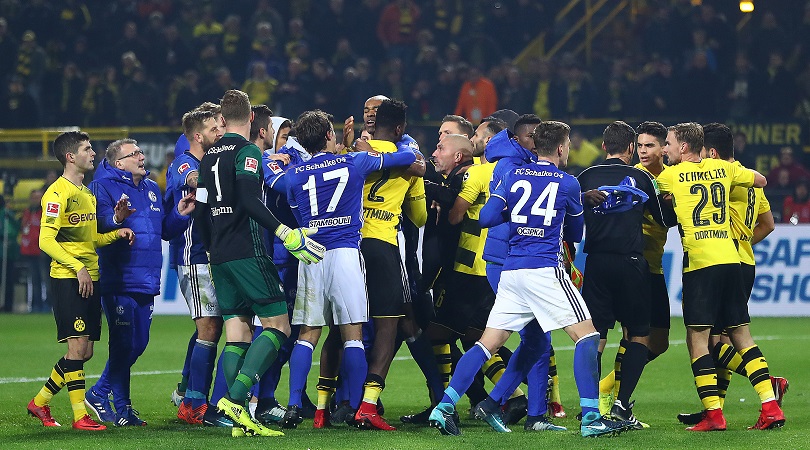
Bayern Munichmight be the biggest club in Germany, butBorussia Dortmundreserve their strongest dislike forSchalke, their North Rhine-Westphalia neighbours.
Both clubs are proud of their industrial roots and they have more in common than either would like to admit. But the intensity of this rivalry sets it apart from anything else Germany has to offer.
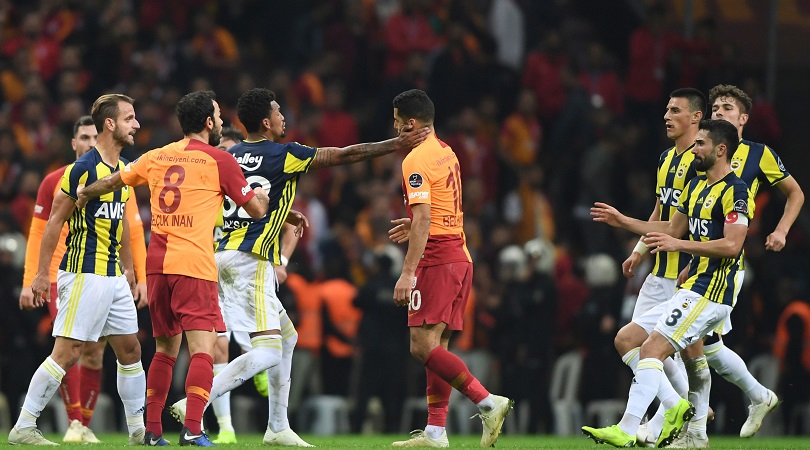
4. Fenerbahce vs Galatasaray
One of the world’s great footballing cities, Istanbul is big enough to support more than 10 clubs in the top three divisions of the Turkish game.
The biggest match of all pitsFenerbahce, from the Asian half of the city, against the Europe-basedGalatasaray. The Intercontinental Derby isn’t one for the faint-hearted.
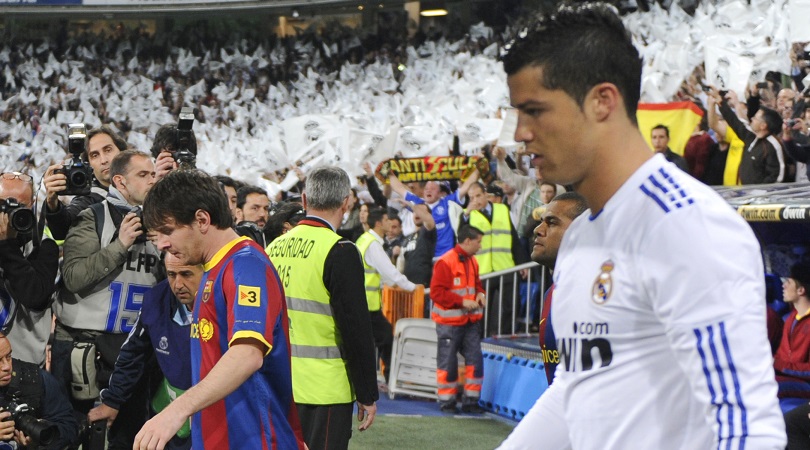
3. Real Madrid vs Barcelona
El Clasicois compulsory viewing not only in Spain but in virtually every country in the world. Meetings betweenReal MadridandBarcelonaare regularly watched by more than 700 million people.
The capital of Spain versus the foremost symbol of Catalan nationalism, this is a clash between two contrasting identities. Superstar players and managers add further intrigue.
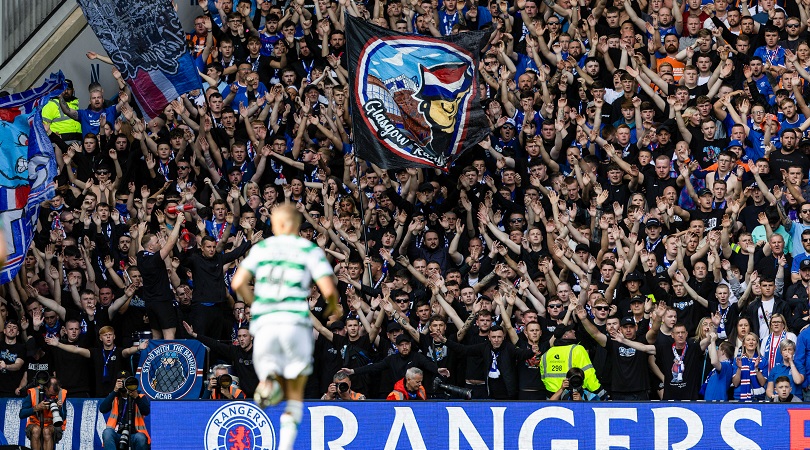
2. Celtic vs Rangers
Dating back to 1888, the Old Firm is about much more than football. As well as the usual local bragging rights, religion (Catholic vs Protestant), national identity (Irish Scots vs British) and Northern Irish politics (Republican vs Loyalist) are all factors.
By far the most successful clubs in Scotland,CelticandRangerscompete for silverware season after season.
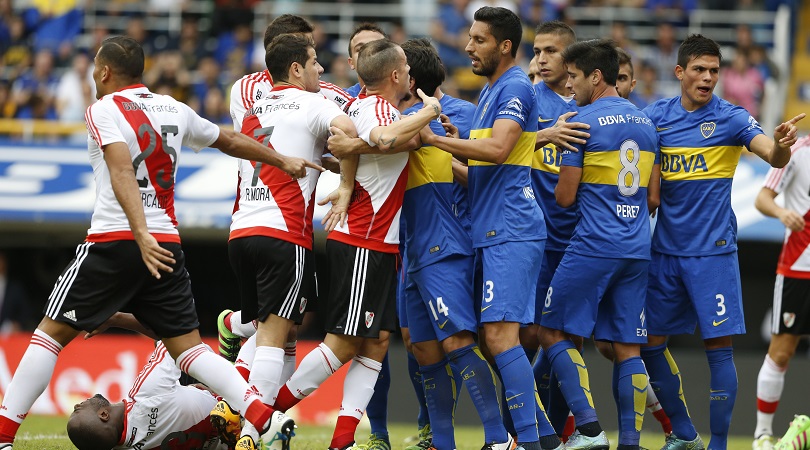
1. River Plate vs Boca Juniors
For passion, colour, atmosphere and deep-seated enmity, there’s nothing quite like Argentina’sSuperclasico.
Boca Juniorsembrace their working-class, dockland beginnings, whereasRiver Platehave traditionally represented middle-class suburbia. That’s an oversimplification these days, but Boca and River’s fight for supremacy in Buenos Aires and beyond makes this a rivalry like no other.